David Ledgerwood joined me on the Conquer Local podcast to walk through lead to close execution and how consulting firms and agencies add another zero to their revenue.
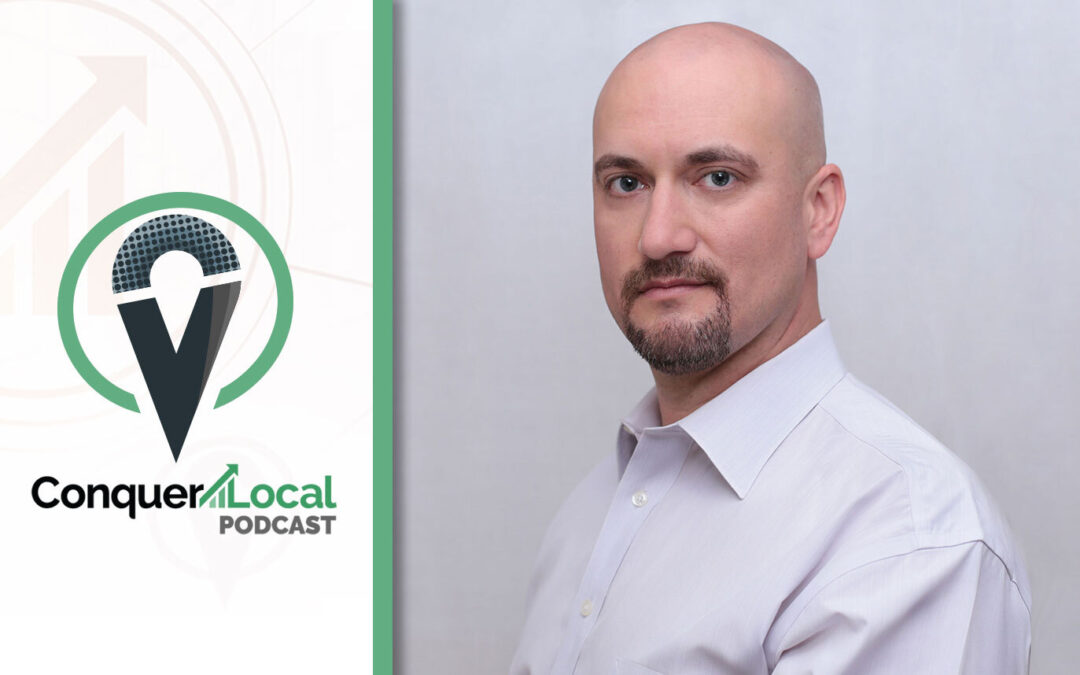
When a seven figure sales expert shows up on the Conquer Local Podcast to tell me the name of his company is a deliberate reminder to add a zero to your revenue, I pay attention. David Ledgerwood, who goes by “Ledge” and runs AD1 Zero with a team of senior sales experts, joined me to unpack what it actually takes to move from founder led sales into scalable revenue.
This conversation went deep fast. David has closed and managed more than 100,000 hours of development and 10x’d revenues to a mid seven figure run rate at Gun.io, so when he talks about lead to close execution for B2B services and tech, he’s lived the playbook. Here is what stood out to me.
B2B Buying Really Is Different, and Not For the Reason You Think
I’ve argued for years that a buyer is a buyer, and the research they do online before they ever speak to a rep is what actually shapes the deal. David pushed on that and we landed in a good place. Larger ticket sizes do introduce more human complexity, more stakeholders, and a longer consultative arc. At the same time, the research is already happening, so a great virtual doorway is non-negotiable.
Ledge put it clearly:
“Let’s allow prospects to self-select out and give them as much information as possible to make a great decision, when they just need to talk to us about the two or three things that actually just apply to them.”
That is exactly the mindset I try to reinforce with sales leaders. If your front end content is strong, the call becomes about customization, not education. If your front end content is weak, your reps are stuck answering 101 questions that a blog post should have handled.
Hiring Salespeople Is The Hardest Thing We Do
I asked David how he hires. His answer was refreshingly honest. He told me he has not cracked that nut, and he now hires professionals to help him do it. That took guts to say on a podcast.
Here is why this matters. The negative leverage on a bad sales hire is brutal:
- You pay the salary without getting the revenue.
- You lose the ramp time you could have spent on a better hire.
- The prospects that rep touched poorly are probably never coming back.
- Your culture absorbs the damage while you wait to make a decision.
I lived this myself. I’ve been slow to fire and I regret those calls more than any other. One of my early CEO mentors was relentless. You make your numbers or you are out. It stung the first time I watched it, and then I realized that is the only way to protect the rest of the team. If you want the full picture on this, I covered it in the fastest ways sales reps burn leads.
Why Revenue Programs Fail: The Feedback Loop Is Broken
When I asked David what single thing causes a sales program to fail, his answer was not quotas or comp plans. It was the missing feedback loop between sales and the rest of the business.
Every call surfaces questions, objections, positive reactions, industry insights, and competitive intel. Most organizations collect none of that in a usable format. They segment sales, marketing, product, and finance until nobody is sharing what they are learning.
David’s fix is beautifully simple. Pick 20 to 50 calls. Write down five things from each:
- Positive reactions
- Insights about the industry or company
- Needs the prospect surfaced
- Questions they asked
- Objections they raised
Then sort by frequency. That pie chart becomes your content prompt list, your pre-call email sequence, and your mid funnel enablement. He told me clients actually thank his team for the pre-call emails because the drip answers the questions they were already going to ask.
The Sales Tech Stack Is Helpful, But Don’t Wait For It
We also got into Gong, Clari, and the flood of new AI coaching tools. David’s take lined up with mine. The tech is incredible and it is still evolving faster than procurement cycles can keep up. His advice: if you cannot buy it yet, do it manually. Have an analyst, a rep, or yourself watch calls and capture those five buckets above. The insight is there. Someone just has to go get it.
I’ve seen this firsthand. In a building where we processed 18,000 customer communications a day, keyword analysis on call transcripts told us whether a new initiative was landing. You can run that same play on a spreadsheet if you have to.
The One Thing Ledge Would Tell You to Add a Zero
I always give my guests the final word. David came back to the feedback loop. Capture the intelligence from every call, feed it back into top of funnel and mid funnel assets, and watch your average contract value and close ratio lift.
That tracks with something I talk about constantly. Alignment between sales, marketing, product, and customer success is not a nice to have. It is the difference between a team that grows and a team that repeats the same expensive mistakes every quarter. For the long view on why, read my take on scaling and the three jobs of a CEO.
Where To Go From Here
If you want to add another zero to your revenue, start with the five-bucket exercise on your next 20 calls. Share what you find with marketing, product, and customer success. Then build a pre-call drip that answers the top three questions prospects ask before they ever dial in. That is where a good sales program turns into a great one.