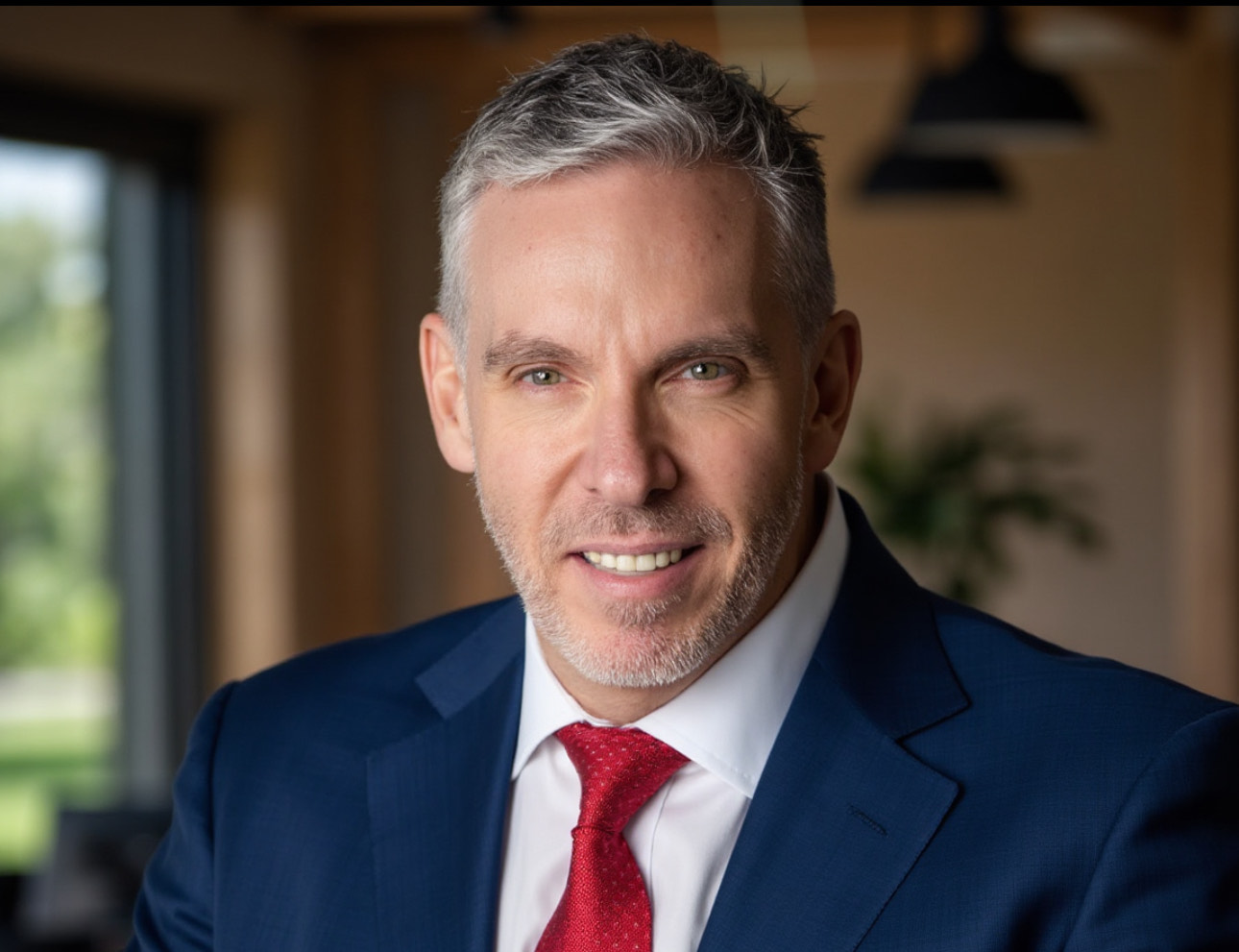
A little while back I joined Kevin Dorsey, better known as KD, on the Live Better Sell Better podcast to talk about scaling. Scaling is one of those words that gets thrown around in boardrooms until it means everything and nothing. KD wanted to dig into the parts most people gloss over, so I appreciated the chance to get specific.
This article is my reflection on that conversation, written for the sellers and leaders in my audience who are trying to move from a handful of reps closing deals to a real revenue engine. If you run a sales team and you feel like every new hire resets the learning curve, this is for you.
Scaling Is Not One Thing
KD opened with a line I quote all the time now. Scaling is not a single lever. You can scale:
- Headcount
- Efficiency per rep
- Revenue
- Skills inside the team
- Processes that the business runs on
Most people confuse one for another. A company that scales headcount without scaling process ends up with a bigger team producing the same output. A company that scales skills without scaling systems ends up dependent on a few heroes. The work is to line up all of these layers so one reinforces the next.
The Guild, Not The Department
I talked with KD about why I call my revenue team a guild. It is deliberate language. A department lives on an org chart. A guild is a group of craftspeople committed to mastering the same trade and helping each other improve. That distinction shows up in how we run sales coaching, how we onboard, and how we treat internal knowledge sharing.
If you want to know why that mindset matters, look at the alternative. Siloed sales teams repeat the same mistakes across territories because nobody has the structure or incentive to share learnings laterally. A guild fixes that by design.
The Testing Team That Isn’t Me
One of my early epiphanies was realizing I cannot be the test team anymore. That is ego talking. The CEO testing new messaging or new scripts is a bias problem, not a capability problem. So I asked the next question. Should our top rep be the tester? The answer is also no, because pulling your top producer out of their seat costs you revenue you did not budget to lose.
The right answer is a dedicated test pod. A small group of capable reps whose job is to stress test messaging, pricing, scripting, and target markets before we roll anything to the broader guild. Carissa, who holds the title General Manager of George in the Building, protects me from my own instincts. Every leader needs someone with that kind of mandate.
Live Better, Sell Better
The theme of KD’s show is exactly what it sounds like. You cannot sell better if you are not living better. I told him about the cassettes. Tony Robbins and Zig Ziglar on tape were my first sales training when I took over the radio station as a young rep. That was the era. Today the equivalent is scrolling LinkedIn and collecting ideas from the sellers who are sharing their reps in public. KD is one of those people. So are a lot of others on that feed.
The habit is the same across generations:
- Surround yourself with people who are publicly improving
- Screenshot the tactics that work, file them, reuse them
- Find the mentors who can challenge your instincts, not just echo them
- Do the hard conversation today, not next quarter
That last one matters most. Nip the hard conversations in the bud. The longer a problem sits inside a sales organization, the more expensive it gets. I dig into that in my piece on why investing in yourself is the real turning point.
What Actually Scales A Sales Team
My short list from the conversation with KD:
- A repeatable onboarding that does not rely on tribal knowledge
- A coaching rhythm that is calendared, not optional
- A testing pod that protects top performers while surfacing new plays
- A customer cadence that shows proof of performance on a monthly cycle
- Leaders who model the behavior they expect, not just measure it
None of this is revolutionary. The work is in the discipline. For the companion piece on how this shows up in daily execution, read the new rules of customer relationships.
Where To Go From Here
If you run a team, pick one of the five scaling levers above and audit it this week. Not three. One. Fix the weakest link. Then come back next month and pick the next one. That is how a good sales team becomes a great one, and that is the conversation I hoped to have with KD on Live Better Sell Better.