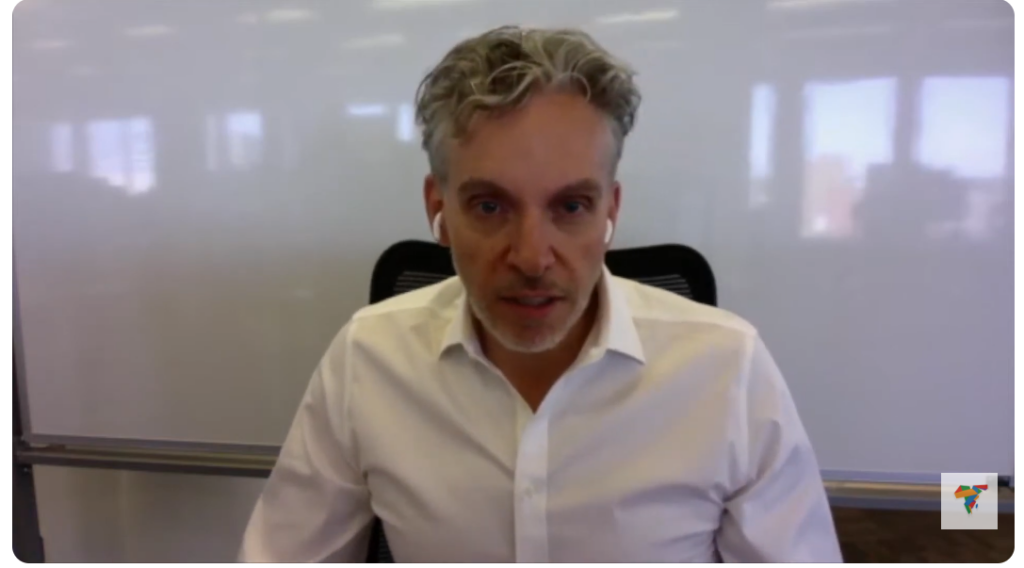
I recently joined Wayne Bischoff on BIG5D TV, a show dedicated to the African and Middle East local digital ecosystem. Wayne is CEO of Mediamark, a radio and digital audio sales organization based in Johannesburg. At the time, I was EVP of Sales at Vendasta Technologies, a global marketing technology firm based in Canada.
We dug into how COVID forced sales organizations to rethink everything: remote teams, customer relationships, hybrid selling, and what the future of sales looks like when the old playbook no longer works.
Organizing a Remote Sales Team Overnight
When COVID hit, we had to move fast. At Vendasta, we went from a fully in-office sales team to 100% remote in a matter of days. Fortunately, we had already built a strong inside sales operation, so the transition was smoother than it could have been.
Wayne had a different challenge. His team at Mediamark was primarily field-based, used to face-to-face selling. He described the shift like this: “We had about two weeks before lockdown, and we spent every day getting laptops, getting remote access, training people on Zoom. We had never used Zoom before.”
That scramble was real for most organizations. The companies that adapted fast survived. The ones that waited got left behind.
Managing Customer Relationships in a Remote World
One of the biggest questions Wayne and I tackled was how you maintain customer relationships when you can’t walk into someone’s office.
Here’s what I found: customers actually preferred the remote model. They told us they felt more connected because we weren’t waiting until the monthly in-person meeting to check in. Instead, we were reaching out weekly through quick video calls. The frequency of touchpoints went up, and so did customer satisfaction.
Wayne shared a similar experience: “Clients are saying, ‘I know you want to come see me, but I’m really busy. Let’s just do this online.’ The customers enjoy it more.”
The takeaway is clear. Customers don’t care about the medium. They care about the value you bring in the conversation. If you can deliver that through a screen, you don’t need a plane ticket.
Legacy Sellers Struggling with the New Reality
Not everyone made the transition smoothly. Wayne and I talked honestly about legacy sellers who struggled with remote selling.
Some of the veteran reps who had built their careers on handshakes and golf games had a hard time adapting. They relied on in-person rapport, and when that went away, they didn’t know how to create the same emotional connection through a screen.
Inside sales reps, on the other hand, already knew how to build relationships through phone and video. They had the skill set from day one. The lesson here is that adaptability matters more than tenure.
For Wayne’s team, training was the bridge. He said they had to teach field reps the same techniques that inside sales teams use to establish rapport remotely. It was a learning curve, but the ones who embraced it came out stronger.
The Post-COVID Sales Model: Hybrid Is the Future
Wayne asked me what I thought the sales model would look like once the crisis passed. My answer then is the same as it is now: hybrid.
Here’s what hybrid means in practice:
- Inside sales handles prospecting, discovery calls, and smaller accounts through video and phone.
- Field sales focuses on high-value enterprise deals where in-person meetings move the needle.
- Business travel becomes targeted, not routine. Every trip needs a clear ROI justification.
I told Wayne on the show that the days of flying across the country just to shake someone’s hand are over. That doesn’t mean travel disappears entirely. It means you need a better reason to get on the plane.
Wayne agreed. He pointed out that his team became more productive working remotely because they eliminated windshield time. Reps who used to spend hours driving between meetings were now stacking video calls and reaching more clients per day.
Team Composition Matters More Than Ever
We spent time discussing how the composition of a sales team needs to change in this new environment. The old model of hiring a team of field reps and expecting them to figure it out doesn’t work anymore.
You need a mix:
- Sales development reps (SDRs) who generate and qualify leads remotely.
- Account executives who close deals through a blend of virtual and in-person interactions.
- Customer success managers who keep existing clients engaged and growing.
The key is matching the right role to the right stage of the sales cycle. Not every deal needs a face-to-face meeting, and not every relationship can be managed through email alone. The organizations that get this balance right will outperform the ones that stick to a one-size-fits-all approach.
Customer Service Became a Growth Strategy
One thing COVID exposed was how much customer service matters. When budgets tightened and new deals slowed down, the revenue that kept organizations alive came from existing customers.
I shared with Wayne that we saw a major shift in focus at Vendasta. We moved from a “hunt new logos” mentality to a “protect and grow the base” strategy. That meant more frequent check-ins, better onboarding, and faster response times.
Wayne described the same dynamic: “Our clients became more accessible. They were at home, they had time, and they wanted to talk. We actually deepened relationships during lockdown.”
This taught me something important. Customer service isn’t a cost center. It’s a revenue driver. The organizations that invest in their existing customer relationships will always outperform the ones chasing shiny new logos.
Digital Transformation Isn’t Optional
Wayne and I both saw the same trend across our markets: businesses that had already started their digital transformation survived COVID. Those that hadn’t were scrambling to catch up.
At Vendasta, we helped local businesses build their digital presence through listings, reputation management, social media, and advertising. During COVID, demand for these services exploded because every business suddenly needed to be found online.
Wayne saw the same thing in the African market. Businesses that had been slow to adopt digital tools realized they had no choice. The pandemic compressed five years of digital adoption into five months.
The message is simple. Digital transformation is not a project with a start and end date. It’s an ongoing commitment. And if you’re still on the fence about it, you’re already behind.
The Biggest Opportunities Ahead
We wrapped up the conversation talking about where the biggest opportunities lie. Here’s what I told Wayne:
- Sales teams that combine data with human connection will win. You need the technology to identify the right prospects and the skills to build genuine relationships.
- Video selling is here to stay. The teams that master it will have a structural advantage over those that treat it like a temporary workaround.
- Customer retention is the new growth strategy. It costs five to seven times more to acquire a new customer than to keep an existing one. Act accordingly.
Wayne added that the African and Middle East markets are full of untapped potential for digital services. He sees massive opportunity for companies that can help local businesses go digital.
I agree. The local digital ecosystem is where the next wave of growth will come from, no matter what continent you’re selling in.
The Bottom Line
COVID didn’t just disrupt sales. It accelerated changes that were already coming. Remote selling, hybrid teams, digital transformation, and customer-first strategies are not trends. They are the new baseline.
The organizations that recognized this early and adapted their playbooks are winning today. The ones still waiting for things to go back to “normal” are going to keep waiting.
I’m grateful to Wayne Bischoff and the BIG5D TV team for this conversation. If you lead a sales team or run a business that sells to local markets, watch the full episode above.