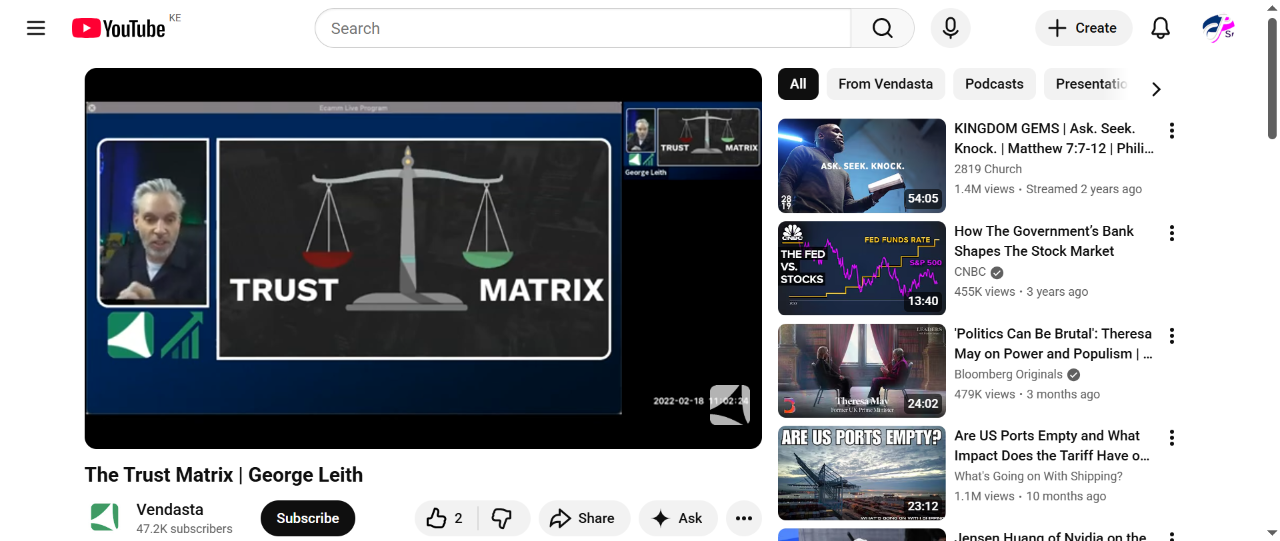
Every sales conversation comes down to one thing: trust. If your prospect trusts you, they buy. If they don’t, fear wins and the deal dies. I call this dynamic the Trust Matrix, and it has changed the way I approach every sales interaction.
I developed this framework after years of selling in the media industry, building the Conquer Local podcast, and training hundreds of sales teams at Vendasta. The Trust Matrix is simple: picture a scale. On one side sits fear. On the other side sits trust. Your job as a salesperson is to tip that scale toward trust before the prospect’s fear takes over.
The Fear Side of the Scale
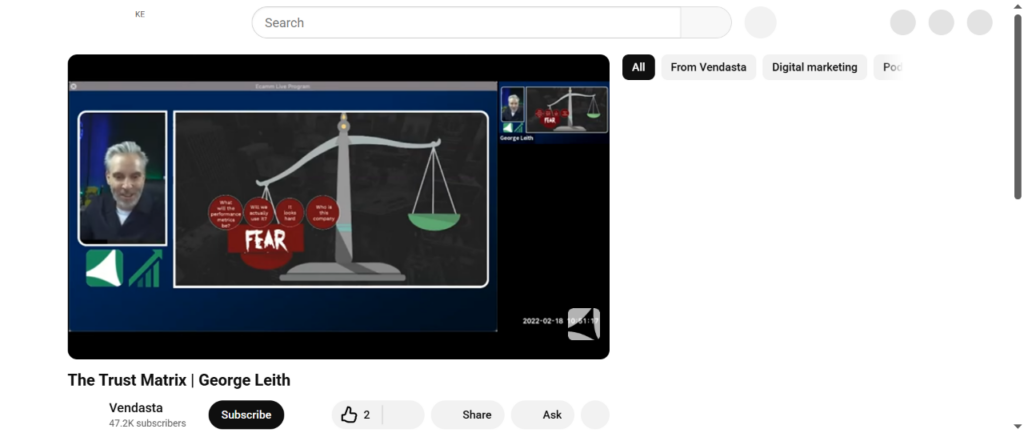
When a prospect sits across from you (or joins your Zoom call), they carry a set of fears. These fears will kill your deal if you ignore them. Here are the most common ones I see:
- “Who is this company?” They don’t know you yet, so you start at zero credibility. You have to earn every ounce of trust from scratch.
- “It looks hard.” Prospects fear complexity. If your solution sounds difficult to implement, they will find an excuse to walk away.
- “Will we actually use it?” They have bought tools before that gathered dust. That past experience creates resistance to your pitch.
- “What will the performance metrics be?” They need proof that your solution delivers results. Without evidence, fear fills the gap.
Think about the last time you bought something new. You had the same fears. You wondered if the product would work, if the company was legit, if you would regret the purchase. Your prospects feel that same weight on the fear side of the scale every time you pitch them.
How to Tip the Scale Toward Trust
The good news? You can systematically move the scale toward trust. I use a set of discovery questions and trust-building actions that work in every sales conversation. Here is what I focus on:
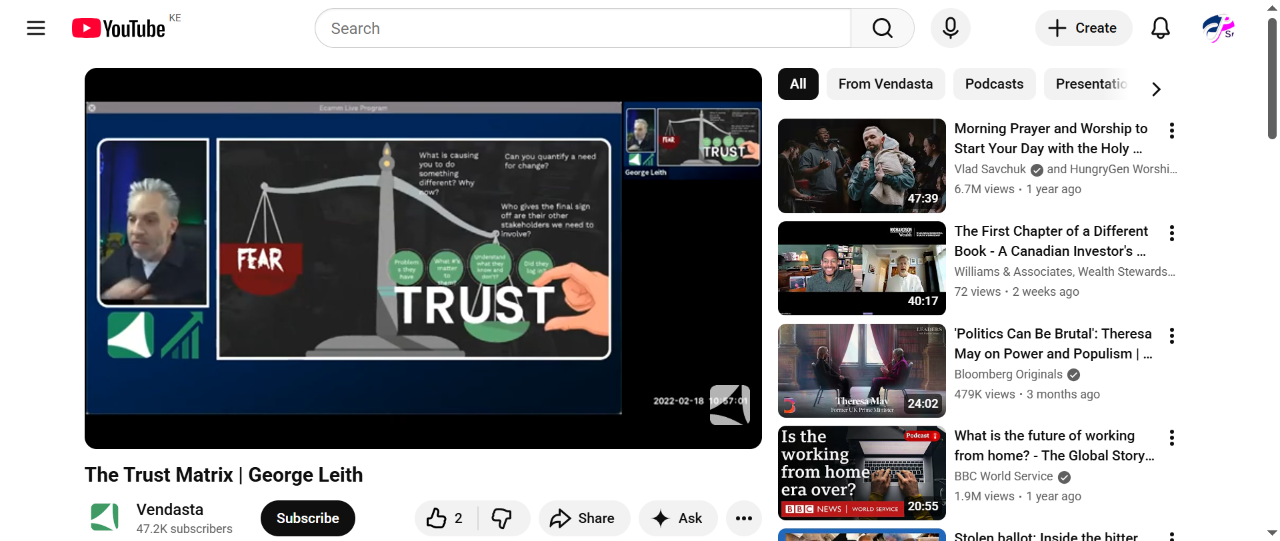
- Understand the problems they have. Ask direct questions about their pain points. What is keeping them up at night? What is not working in their business right now?
- Find out what matters to them. Not every problem carries the same weight. You need to identify which problem costs them the most time, money, or stress.
- Learn what they know and what they don’t. Many prospects think they already have a digital marketing solution because someone posts on Instagram for them. That is not a digital marketing strategy. Dig deeper to uncover what they actually have versus what they think they have.
- Confirm engagement. Did they log in to the tool? Did they open the report? Did they review the data you sent? Engagement signals tell you whether you have real interest or just polite nodding.
The Three Discovery Questions That Change Everything
In the Trust Matrix, I teach three critical discovery questions that every salesperson needs to ask:
“What is causing you to do something different? Why now?” This question uncovers the trigger event. Something happened that made them pick up the phone or attend your webinar. You need to find that trigger because it tells you how urgent the problem really is.
“Can you quantify a need for change?” Get them to put a number on the problem. If they can say “I’m losing $5,000 a month because my website doesn’t generate leads,” now you have something to build your proposal around. Numbers make the problem real.
“Who gives the final sign-off? Are there other stakeholders we need to involve?” This saves you from presenting to someone who cannot make the decision. Identify all the decision-makers early so you avoid the dreaded “I need to talk to my partner” at the end of your pitch.
Why Proof of Performance Beats Any Sales Pitch
I have seen the data across thousands of accounts: when you give a customer proof that your solution works, retention goes through the roof. At Vendasta, we ran studies that showed when a customer engages with their business data through an executive report, retention rates increase by 55%.
This is why I lead every new customer relationship with a Snapshot Report or an executive report. I give it away for free. Why? Because that data builds trust faster than any sales pitch ever could. When a prospect sees their own business data laid out in front of them, the fear side of the scale gets lighter and the trust side gets heavier.
The biggest mistake I see salespeople make is leading with product features. Nobody cares about your features. They care about their problems. Lead with proof that you understand their world, and the features conversation becomes easy.
The Trusted Local Expert Advantage
If you sell to local businesses, you have an advantage that big tech companies will never have: you can walk into their store. You can shake their hand. You can sit down and look at their business with them.
Sales people make sales face-to-face on a handshake with trust. I see too many people hiding behind emails thinking that marketing automation will close deals for them. Email is marketing automation. It is air cover for your sales team. It is not a replacement for human connection.
Go to the chamber of commerce meetings. Walk into the businesses on main street. Build relationships in person. Then use digital tools to support those relationships with data and proof of performance. That combination of personal trust and digital proof is unbeatable.
The Attrition Problem (and How Trust Fixes It)
Here is the hard truth about customer attrition: if a customer does not see value in the first 90 days, you will lose them. The number one reason customers churn is that nobody showed them the results they were getting.
I tell every sales team I train the same thing: your job does not end at the sale. The sale is where the real work begins. You need to:
- Get them to log in. If they never log into the platform, they will never see the value. Make onboarding a priority.
- Show them proof of performance early. Run that first report within the first week. Show them something tangible that proves your solution is working.
- Build the relationship beyond the transaction. Check in regularly. Ask how things are going. Be their trusted advisor, not just their vendor.
When you build trust before, during, and after the sale, attrition drops dramatically. The data proves it.
Put the Trust Matrix to Work
The Trust Matrix is not theory. I use it in every sales conversation, every training session, and every episode of the Conquer Local podcast. It works because it addresses the fundamental dynamic of every human interaction: people buy from people they trust.
Start your next sales conversation by identifying the fears on the other side of the table. Then systematically address each one with discovery questions, proof of performance, and genuine human connection. Tip the scale toward trust, and the sale will follow.
What fears do you encounter most in your sales conversations? I’d love to hear your experience.